
Automating Biosecurity: Making the Right Thing the Easy Thing
- Apr 24
- 2 min read
Biosecurity protocols are one of the most important defenses we have against disease outbreaks in livestock and poultry production. Whether the threat is Avian Influenza, African Swine Fever, or emerging pathogens we haven’t yet encountered, strong biosecurity practices protect animal health, farm profitability, and the stability of our food supply.
Yet despite the importance of biosecurity, many protocols still rely heavily on manual steps and human compliance. Producers and workers are asked to remember to disinfect equipment, sign visitor logs, change footwear, sanitize hands, and properly clean vehicles, all often under time pressure and during busy operational days.
The reality is simple: the more friction a protocol has, the harder it is to follow consistently.
But there’s good news. Many other industries have already solved this challenge by using automation, smart equipment, and digital technology to make protocols seamless. Instead of relying on memory and manual processes, they design systems where the correct action happens automatically or becomes the easiest possible option.
There is no reason agriculture, and biosecurity specifically, cannot follow the same path.
When Protocols Meet Technology
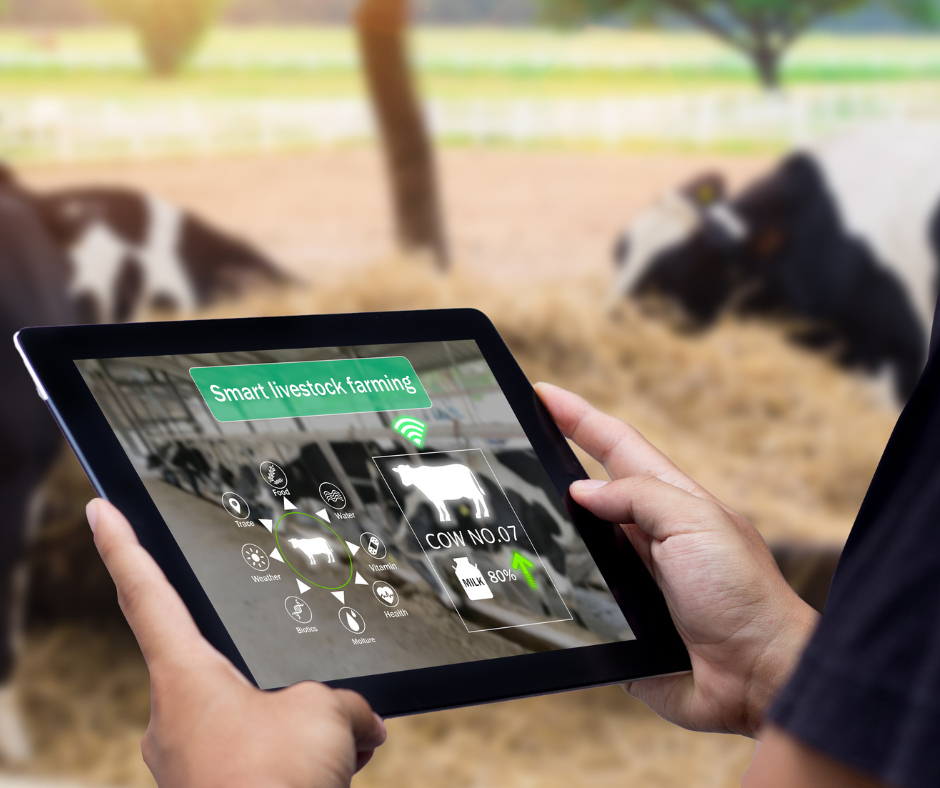
Across multiple industries, protocols that were once manual and inconsistent have been transformed through automation.
Aviation: Automated Safety Checklists
Commercial aviation operates under extremely strict safety procedures. Historically, pilots used paper checklists for pre-flight inspections and operational checks.
Today, most aircraft use digital cockpit systems that guide pilots through automated checklists. The system monitors aircraft conditions and highlights required actions, ensuring steps cannot easily be skipped.
The result:
✔ Reduced human error
✔ Increased consistency
✔ Improved safety
Healthcare: Automated Hand Hygiene Compliance

Hospitals have long required staff to sanitize their hands when entering and leaving patient rooms. However, manual compliance was often inconsistent.
Many hospitals now use automated hand hygiene monitoring systems that detect when healthcare workers enter rooms and prompt or record sanitizer use. Some systems even integrate with staff badges.
The result:
✔ Higher compliance rates
✔ Reduced infection transmission
✔ Measurable accountability
Manufacturing: Automated Safety Systems
Industrial workplaces have implemented automation to enforce safety protocols. For example:
Machine guards that automatically shut down equipment if opened
Sensors that detect when workers enter restricted zones
Digital lockout/tagout systems
These systems ensure safety rules are not just recommendations—they are built directly into the workflow.
Food Processing: Digital Traceability
Food processing facilities once relied on paper logs for sanitation records, temperature monitoring, and product traceability.
Today many plants use digital monitoring systems and automated data logging to track:
Temperature control
Sanitation procedures
Equipment cleaning schedules
Product movement
Automation provides real-time compliance and documentation while reducing administrative workload.
Biosecurity Is Ready for the Same Evolution
The livestock industry has historically relied on protocols that require constant attention and manual execution. But the same technology-driven approach used in other industries can modernize biosecurity.
Instead of asking people to remember every step, we can design systems where biosecurity becomes automatic, visible, and easy to perform correctly.
Next week, we’ll take this one step further, looking at how automation can be applied on-farm, and how EthoGuard is helping producers turn biosecurity from a checklist into a seamless part of everyday operations.


Comments